The composition of the English language
Old-English
Old-English brought 20-33%.
Anglo-Norman or French
Anglo-Norman or French 29%
Latin and other Romance languages
Latin has been a large provider of the modern English lexicon, but also other Romance languages such as Italian, Spanish, Portuguese contributed. Altogether another 29%
Greek as a source of English
Words of Greek origin comprise some 6% of modern day English.
For the fun of it, this sentence ‘The English vocabulary is constructed of multiple origins.‘ could instead be written using almost English words mostly originated from Greek: ‘The English glossary is [constructed of] lexicons and idioms from poly etymologies.’
Proper names
English words that derived from proper names constitute to about 4% of the language. For instance the word ‘bobby’, a slang term used in the UK for a ‘policeman (of the London’s Metropolitan Police)’, is derived from the name Sir Robert Peel, who established the force in 1829.
Other origins
The remaining 4% of the English vocabulary currently in use comes from other origins than the ones mentioned above.
Source: Wikipedia Foreign Language Influence in English
I started to construct (or build?) these non-sentences myself as a little fun activity. Take a look at the left column with English sentences mostly using words from Old-English and other Germanic sources and the right column with similar English sentences mostly using words of Anglo-Norman or other Latinate sources. Obviously, each word has its preferred context and more precise meaning, so they are not mutually exchangable. I tried to stick to a similar content while using both the Anglo-Saxon words in the sentences on the left, as well as its Anglo-Norman equivalent on the right. Obviously, the goal is to maximize etymological consistency, even at the expense of naturalness.
| English sentences mostly using words from Old-English and other Germanic sources | English sentences mostly using words of Anglo-Norman or other Latinate sources |
| Take a look at this sheet and these following sayings. | View this page and these subsequent phrases. |
| take a look | view |
| sheet | page |
| following | subsequent |
| sayings | phrases |
| The English word stock is built from many backgrounds. It has offshoots from mostly two speeches, that make a big share of it. | The English vocabulary is constructed of multiple origins. It possesses descendants from predominantly two languages, that constitute a large part of it. |
| word stock | vocabulary |
| built | constructed |
| many | multiple |
| background | origins |
| has | possesses |
| offshoots | descendants |
| mostly | predominantly |
| speeches | languages |
| make | constitute |
| big | large |
| share | part |
Example sentence 1: The dove and the pigeon
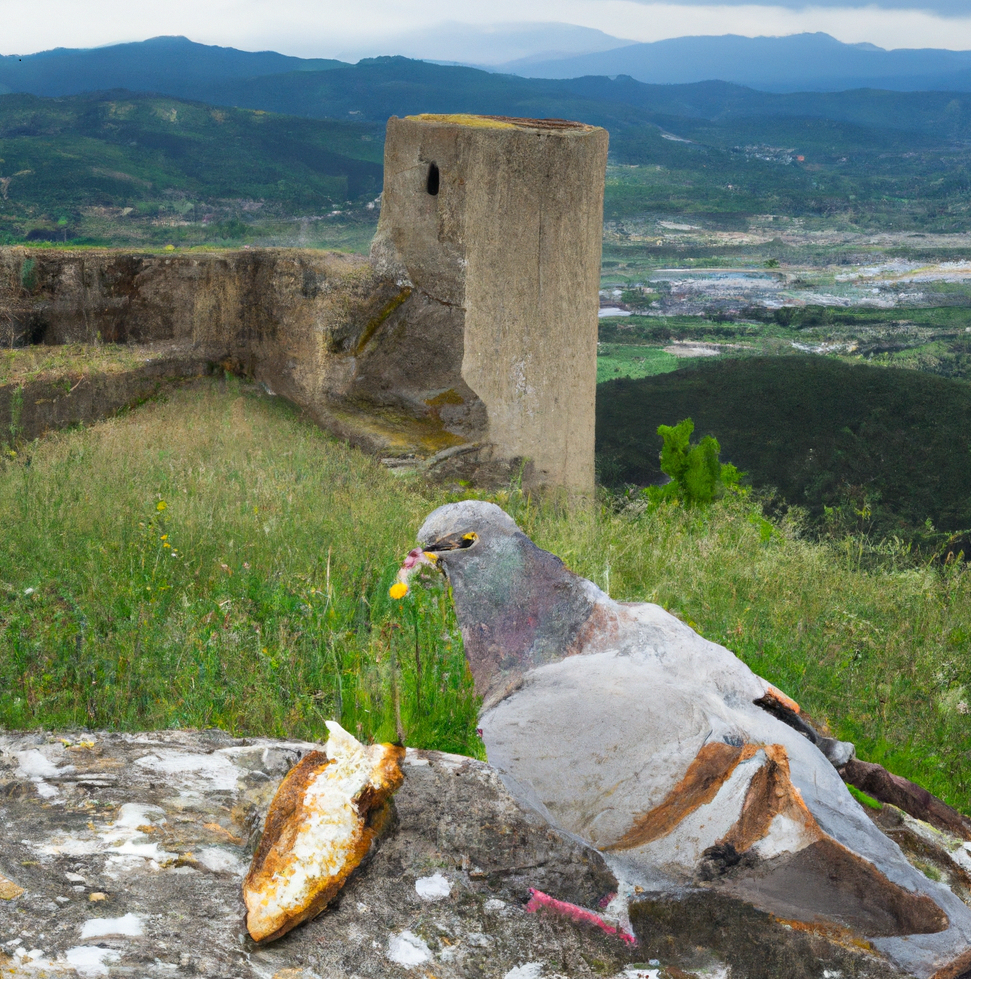
Sentence 1 in Anglo-Saxon (using words derived from Old English, a Germanic language)
The first kingly dove eats the leftovers of a dead body of someone that died after a battle on the land of the eastern hill.
Sentence 1 in in Anglo-Norman (using words derived from Norman/Old French and Latin, all Romance languages)
The primary royal pigeon consumes the remainders of a corpse of a person that deceased posterior a combat on the soil of the oriental mountain.
Example sentence 2: The teacher and the lecturer
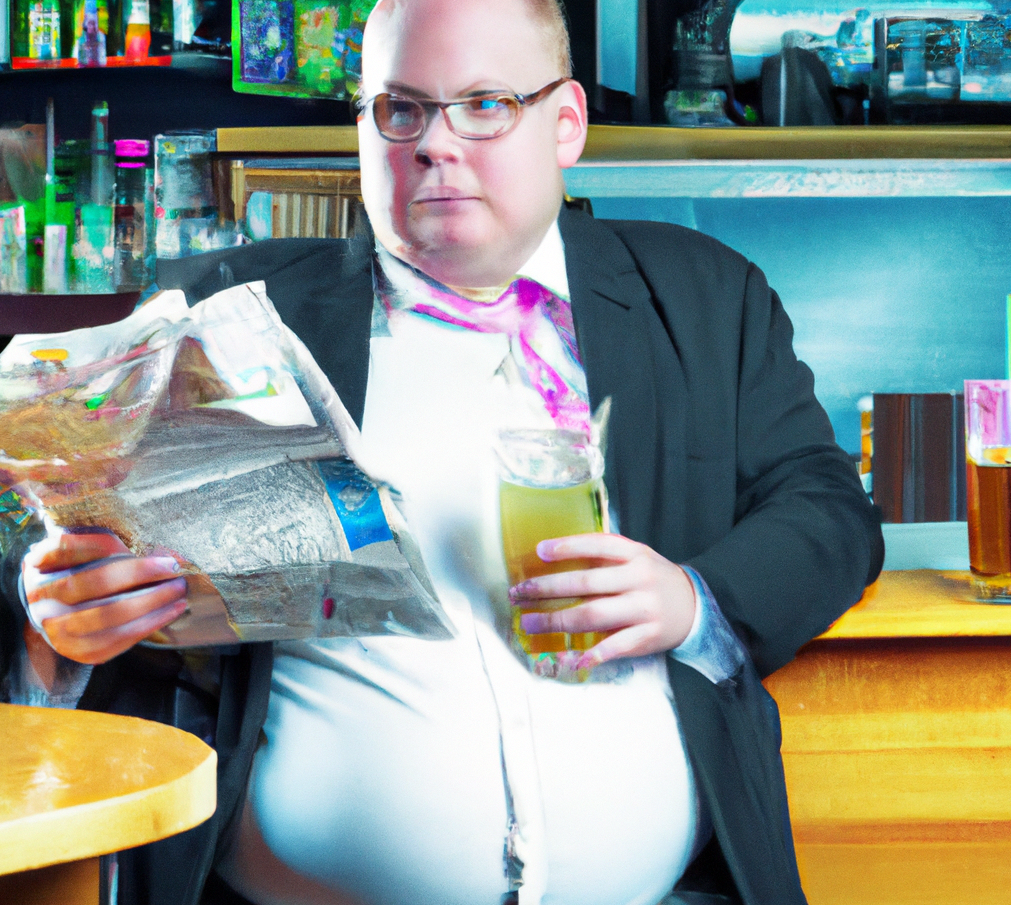
Sentence 2 in in Anglo-Saxon (using words derived from Old English, a Germanic language)
The teacher came at the building, inside his belly a weird aching feeling. After going in(side) the bar, he asked for the daily newspaper, chose a big cold drink and drank it up.
Sentence 2 in Anglo-Norman (using words derived from Norman/Old French and Latin, all Romance languages)
The lecturer arrived at the edifice, interior his abdomen a strange sentiment of pain. Posterior to entering the café, he requested the journal, opted a large fridgid beverage and consumed it.
Anglo-Saxon words vs. its Anglo-Norman equivalents used:
| Anglo-Saxon words (Old English) | Anglo-Norman (Old-French) equivalents |
| (Germanic root) | Romance (Latinate) origin |
| teacher | professor |
| came | arrived |
| building | edifice |
| inside | interior |
| belly | abdomen |
| weird | strange |
| aching | pain |
| feeling | sentiment |
| after | posterior |
| going in | entering |
| bar | café |
| asked | requested |
| daily newspaper | journal |
| chose | opted for |
| big | large |
| cold | frigid |
| drink | beverage |
| drank up | consumed |
Example sentence 3: The copper and the constable
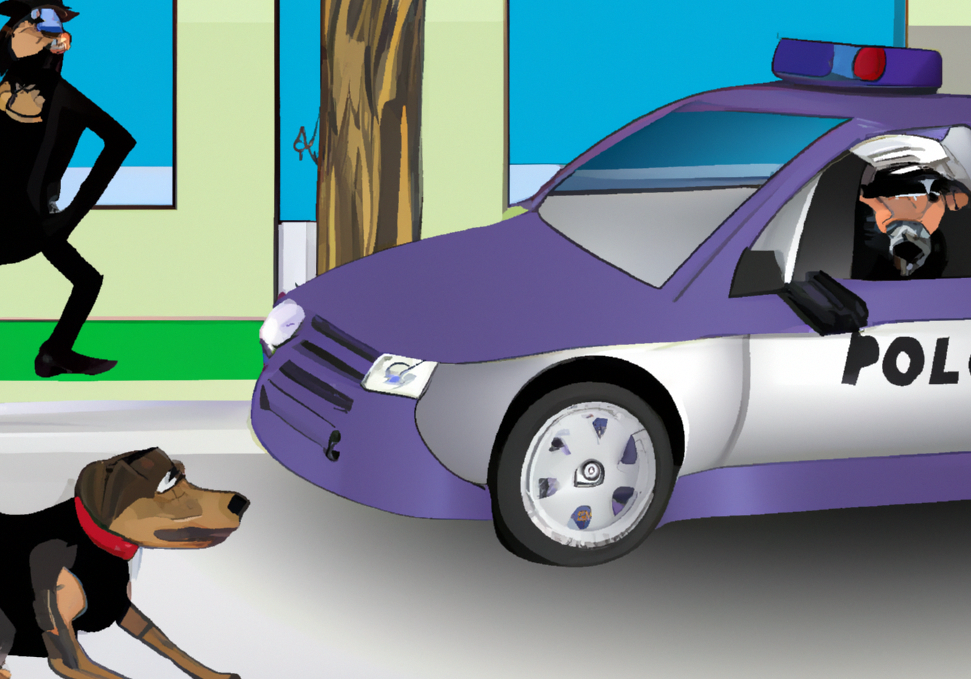
Sentence 3 in in Anglo-Saxon (using words derived from Old English, a Germanic language)
The cop and his hairy hound friend he taught for five years had one task alone. Both wer very well built for this and kept still. This is the job they both felt they had a calling for. And the thief wasn’t mindful of their nearness.
Sentence 3 in Anglo-Norman (using words derived from Norman/Old French and Latin, all Romance languages)
The constable and the pileous canine companion he had trained for a lustrum for one sole chore. The couple was perfectly constructed for this and remained quiet. This is the profession they both sensed they possessed a vocation for. And the burglar wasn’t aware of their proximity.
Example sentence 3: The baby and the infant
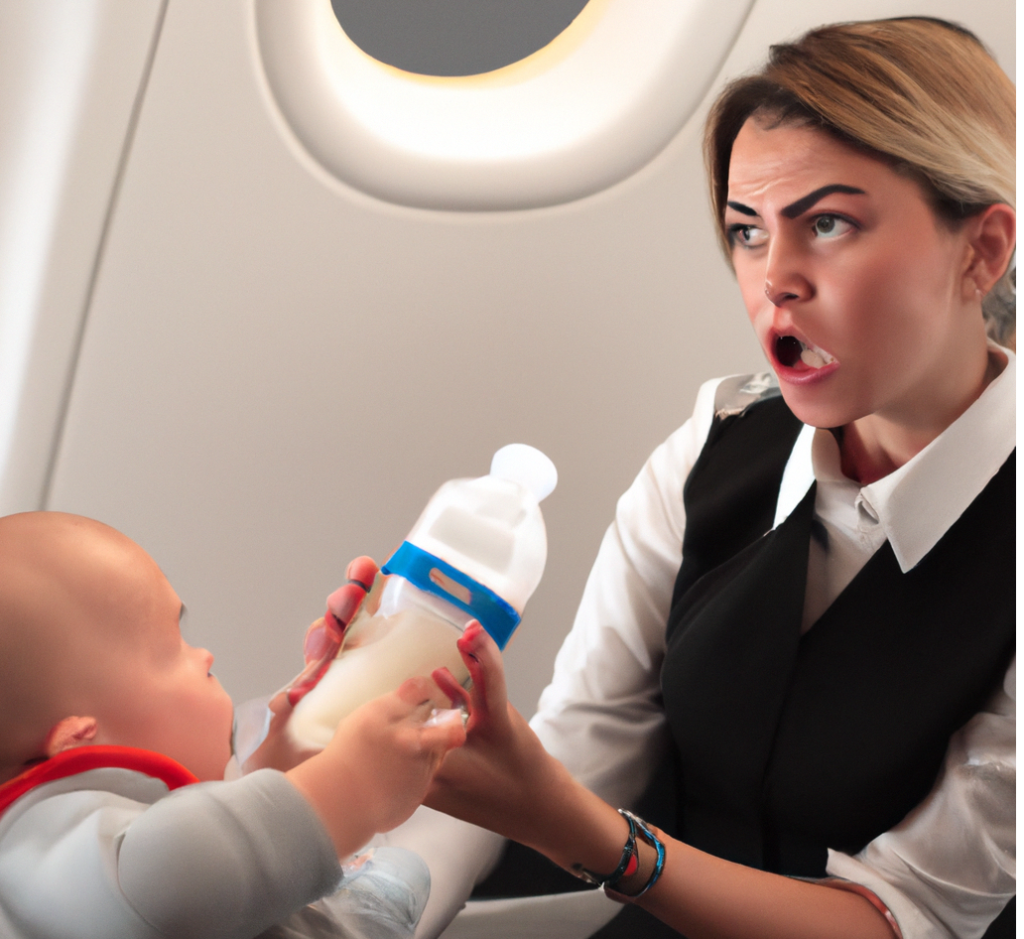

Sentence 4 in Anglo-Saxon
The baby wept. Tears were flooding. Luckily, the neighbouring farers couldn’t hear so well. So the stewardess on the flight felt she had to help the baby and give it some dairy making (such as butter, ice [cream]). Following, the baby’s body seemingly did not take milk well, yet the stewardess did not seem to take babies well.
Sentence 4 in Anglo-Norman
The infant cried, up to maximum lacrimation. Fortunately, the travelers in the vicinity’s auricular qualities were suboptimal. Ergo, the cabin attendant sensed an obligation to assist and provide it with a certain cream produce. Consequently, the infant appeared to be lactose intolerant, and the stewardess infant intolerant.
Example sentences 5: The undertaker and the entrepreneur
Sentence 5 in Anglo-Saxon
The founding businessman (not: undertaker) founded his undertaking showing daylight to the job that was his calling and being. He ended it very soon when his helping hand said he was more needed at the house.
The same sentence 5 in Anglo-Norman
The entrepreneur established the enterprise realising his profession, which was his vocation and essence. He finished it quite rapidly when his assistant parloured he was necessary at the mansion.
Sentence 6 the train manager – the locomotive director
Sentence 6 with words from Anglo-Saxon (Germanic) origin
The train manager called his boss to ask about the updated time table* which he thought was very silly as it showed three train wagons of an akin train on the same track. His fellow worker looked outside and upheld that he saw a burning wagon coming near at high speed.
The word ‘table’ is tderived both from Old-English (Germanic) and Latin via French.
The same sentence 6 with words from Anglo-Norman (Romance/Latin) origin
The locomotive director telephoned his superior to inquire regarding the schedule which he considered ridiculous as it displayed three carriages of a similar vehicle on the equal rail line. His colleague viewed the exterior and confirmed his visual of an ignited rail opponent approaching at an enormous velocity.
Sentence 7
Sentence in English using Anglo-Saxon words
The heavy wind. Hot sun. Bright sky thus you’ll see the stars if you’re keen to watch those, maybe a glimpse from your house, rather outside a town or if on the water from a ship. While this time of year on this spot on earth as to other lands.
The same story 7 using Anglo-Norman nouns, adjectives and verbs
Extreme vental conditions existed. Solar intensity. Clear celestial sphere, subsequent stellar views in case you’re interested in its perspective, possibly a brief impression, from your domestic residence, preferably non-urban, or if in an aquatic environment from a naval vessel. During the season in the indicated terrestrial region compared to different countries.
Story 8 a stop at the healer – visit to the doctor
Germanic
The healer looked at my body. First at my feet and my legs. Then to my ears, eyes, nose and throat. When the bodily checkup had ended, he looked puzzled and told me: I reckon we can better put a new head up there.
Anglo-Norman
The doctor examined my physique, initially at my inferior corporal elements: my pedal area and limbs, my abdominal and pectoral area. Subsequently my aural, ocular, nasal parts and larynx. When the physical examination was concluded he appeared to be confused and informed me: I suppose we replace the complete capital area.
Story 9 Heavy storm around the building – Tempeste in the edifice’s vicinity
There is a heavy storm around the building, so drive sound on your two-wheeler through the town’s lanes! It can be threatening as you can easily lose your footing and get hurt.
There exists a tempest in the edifice’s vicinity. Consequently, travel securely on your bicycle per the city’s avenues! It is possible for you to effortlessly experience disequilibrium and sustain an injury.`
Story 10 The old man – The elderly male
The old man saw dark clouds gather above the field, so he went home before the rain began. He quickly went down the lane and found a place to rest.
The ageing male person observed sombre nebulas assemble elevating relative to the terrain; consequently, he proceeded to his residence before the precipitation commenced. He rapidly descended the avenue and discovered a location for repose.
Story 11 Cat’s slave – Feline’s servant
Mankind believes it rules the cat. Once bought and brought into the house, it becomes its friend. The cat sleeps and eats when it wants. It gets strokes when walking by the man. Sometimes it choses to shit inside the litter box, which makes the human feel good, but just as much outside, without any reckoning. Seemingly, man is not the cat’s friend, unlike what he thinks, but rather the cat’s slave.
Humanity is convinced to control the feline. Subsequent to its acquisition and conveyed into the residence, it transforms into its companion. The feline dorms and consumes when it desires. It receives caresses when passing by the human. Occasionally it decides to defecate into the interior of the latrine, but equally frequently to the exterior, with no penalty. Apparently, humans are, despite of its conviction, not the feline’s companion but the feline’s servant.
—- better readable sentence by sentence —–
1. Germanic: Mankind believes it rules the cat.
Romance: Humanity is convinced it controls the feline.
2. Germanic: Once bought and brought into the house, it becomes its friend.
Romance: Subsequent to its acquisition and conveyance into the residence, it transforms into its companion.
3. Germanic: The cat sleeps and eats when it wants.
Romance: The feline dorms and consumes when it desires.
4. Germanic: It gets strokes when walking by the man and chooses to shit sometimes inside the litter box, which makes the human feel good, but when it wants, outside without any reckoning.
Romance: It receives caresses when passing by the human and decides to defecate occasionally inside the latrine, which pleases the human, but, when it desires, outside without any penalty.
5. Germanic: Seemingly, man is not the cat’s ruler or friend, unlike what he thinks, but rather the cat’s slave.
Romance: Apparently, humanity is not the feline’s controller or companion, contrary to its conviction, but the feline’s servant.
More words
head/capital, ear/aural, eye/ocular, finger/digital, hand/manual, man/masculine, woman/feminine, sun/solar, star/stellar.brother/fraternal, son or daughter/filial, mother/maternal, father/paternal, sister/sororal, wife/uxorial.book/literary, door/portal, edge/marginal, ice/glacial. tree/arboreal
More soon!
That’s all Anglo-Saxon and Anglo-Norman word origins in English for now.
Soon, you can read posts from series 10: Polish your Polish, Finnish your Finnish and Turkey your Turkish!